Free Moss Safari Resources
Whether you are a microscope hobbyist, a teacher, or a parent, this is the place to find high-quality resources tailored to your needs, helping you get the most out of doing a Moss Safari.
Moss Safari is about connecting with nature, looking closely, and discovering the extraordinary life hidden in the most ordinary places. These free resources are designed to support that journey, whether it takes place in a classroom, at the kitchen table, or at a microscope bench at home.
Why are these resources free?
One of the core principles of Moss Safari is accessibility for all, so all standard Moss Safari resources are free to download and use.
If you are able to do so, you can help sustain the work of Moss Safari by making a voluntary donation via Ko-Fi, purchasing Moss Safari merchandise, or signing up to the free newsletter. These contributions directly support the funding of running this website, the creation of new resources and outreach work, while keeping the core materials freely available.
What resources are available?
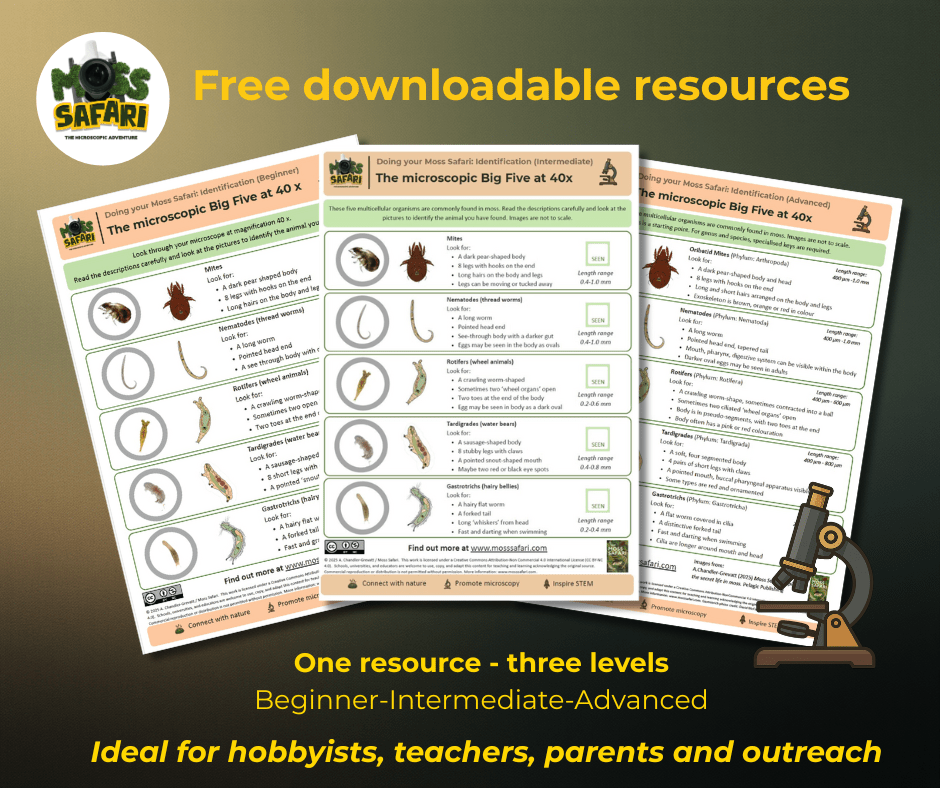
How to do a Moss Safari resources, Identification of the Microscopic Big Five sheets and the all new Moss Safari Microscopic Big Five Organism Infographics. In addition, any ad hoc resources that I create are available below.
Most resources are available at three levels to support progression and appropriate challenge:
- Beginner: Ages 7–11: introductory, highly visual, and focused on careful observation
- Intermediate: Ages 11–16: more detailed structure–function links and scientific vocabulary
- Advanced: Ages 16+ / Hobbyist: deeper biological detail, terminology, and contextual understanding
What can I use these resources for?
There are two main uses:
Personal use – use these resources to help you explore the hidden life in moss
Educational use – if you are teacher, school technician, a home schooling parent, club leader or non-commercial organisation that wants to engage others in the science of microscopes and mosses, feel free to download and use these resources.
How ever you use the resources, I really appreciate it if you can make explicit links to http://www.mosssfari.com and if appropriate a shout out for the book and merch.
In official terms: All resources are licensed under a Creative Commons Attribution-Non Commercial 4.0 International License (CC BY-NC 4.0). Schools, universities, and educators are welcome to use, copy, and adapt this content for teaching and learning acknowledging the original source. Commercial reproduction or distribution is not permitted without permission.
If in doubt, get in touch:


Do your own Moss Safari
For instructions of how to do a Moss Safari and the three main techniques
Print these instructions, slip them into a polyethene/plastic pocket and put them on the desk
Basic: Pipette
Very popular for science clubs, open days, public events. Quick and easy method, accessible for all ages.
Squeeze and Filter
Great to improve practical skills, requires a funnel and filter paper, but increases the chance of finding the Big Five.
Advanced: Gravity
COMING SOON
Risk Assessment
This is the standard risk assessment for Moss Safari – Pipette or Filter methods. Adapt this for your own classes or groups.
Identifying the Microscopic Big Five
At the heart of Moss Safari is the Microscopic Big Five: a small group of organisms that are widespread, distinctive, and rewarding to observe under the microscope.
- Oribatid mites
- Nematodes
- Rotifers
- Tardigrades
- Gastrotrichs
Identification guides are provided at all three levels and focus on key visual features visible with standard light microscopes, supporting identification.
Beginner / Primary
Intermediate / Secondary
Advanced/Tertiary
Support Moss Safari: Keep resources free
Organism infographics
Individual infographics are also available for each member of the Microscopic Big Five:
Mites (Oribatid mites)
Beginner
Intermediate
Advanced
Nematodes
Beginner
Intermediate
Advanced: Coming soon
Rotifers
Beginner
Intermediate
Advanced
Tardigrades
Beginner
Intermediate
Advanced
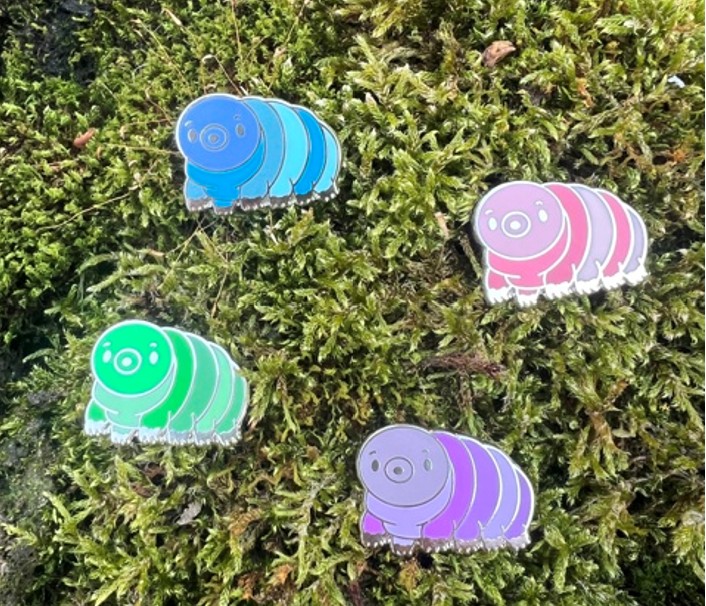
Love Tardigrades? You’ll love our tardigrade pins!
Gastrotrich
Beginner
Intermediate
Advanced
Beyond the Big Five Infographics
COMING SOON
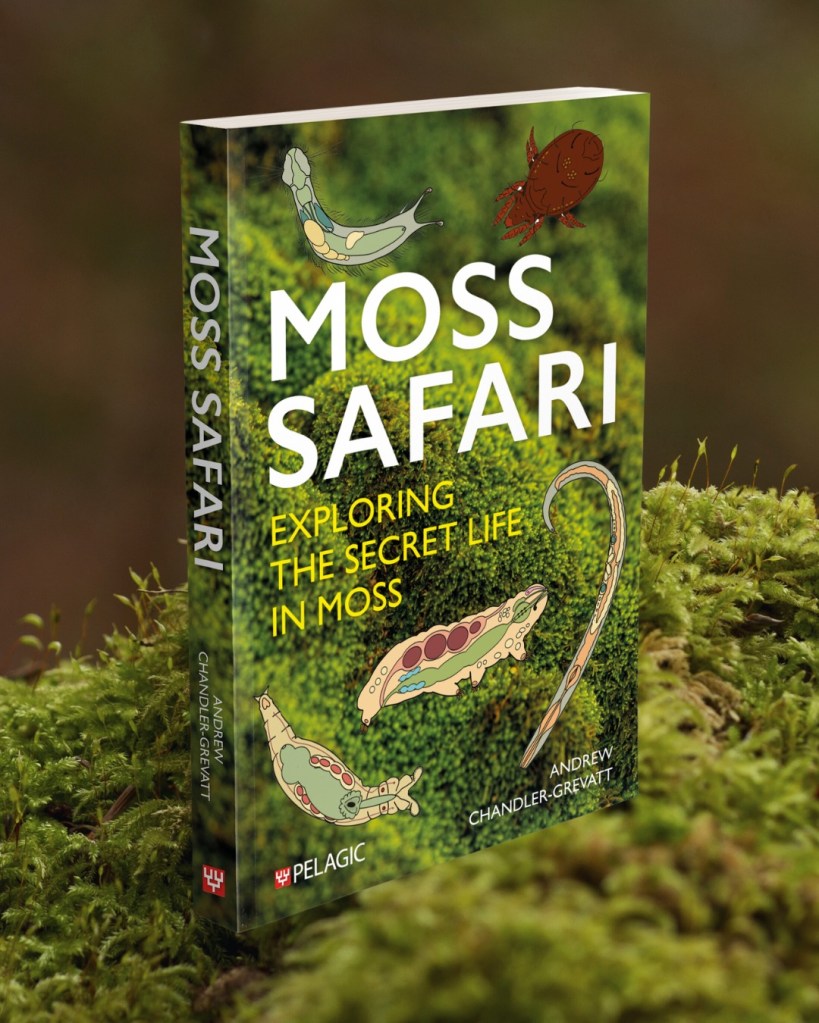
Find out more about Moss Safari – buy the book!
Other Resources
From time to time, I make resources for particular events. These are listed below.
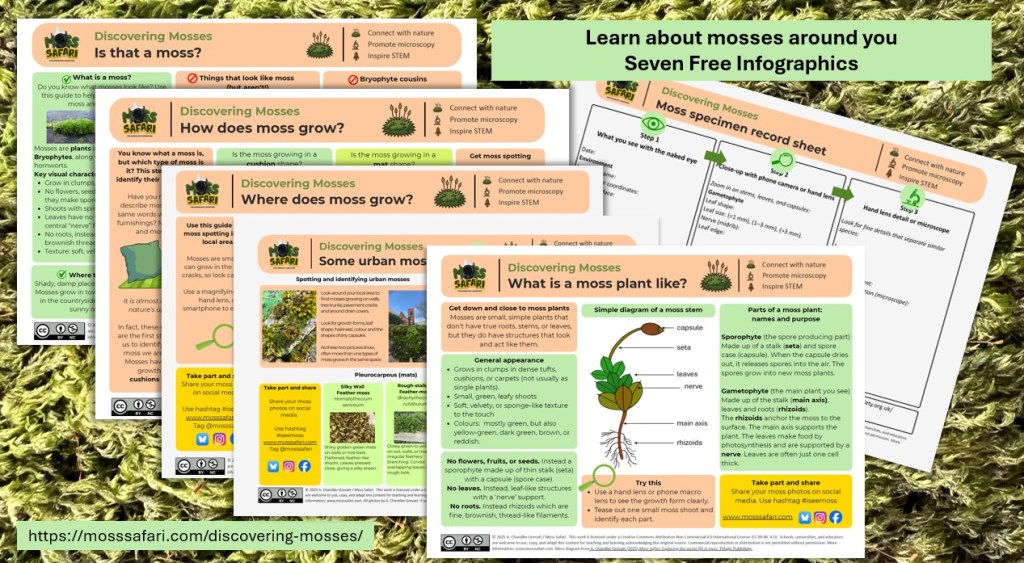
Discovering Mosses Series
Click on the link below to go tho the dedicated page for these inforgraphics and blogs
Antonie van Leeuwenhoek Day (7th September)
- Primary Science:
- Working scientifically – observing closely, using simple equipment, and asking questions.
- Living things and their habitats – recognising the diversity of life and how organisms are classified.
- Animals, including humans – understanding cells, tissues, and the microscopic building blocks of life.
- Secondary Science:
- Biology: Cell biology – microscopes, cell structure, and the development of scientific ideas.
- Working scientifically – the importance of evidence, observation, and scientific enquiry.
- History of science – how Hooke and van Leeuwenhoek advanced microscopy and shaped modern biology.
Celebrating this day is a fantastic way to highlight not just science content but also the spirit of discovery. To help you bring Antonie’s story to life, we’ve created two free downloadable activity sheets.
Ages 12-16
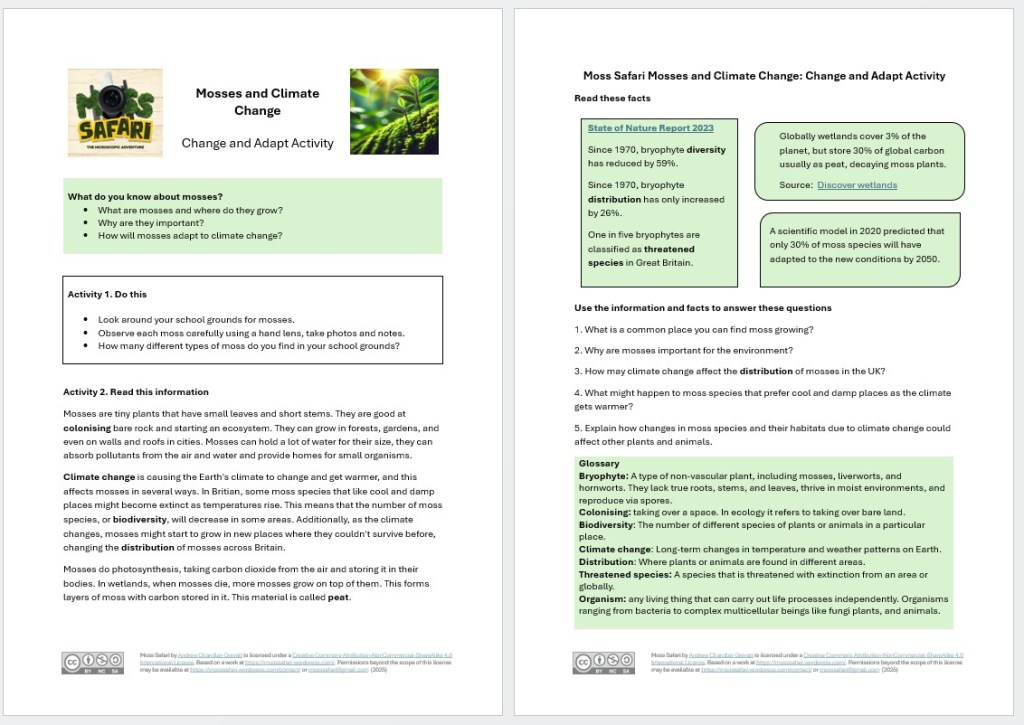
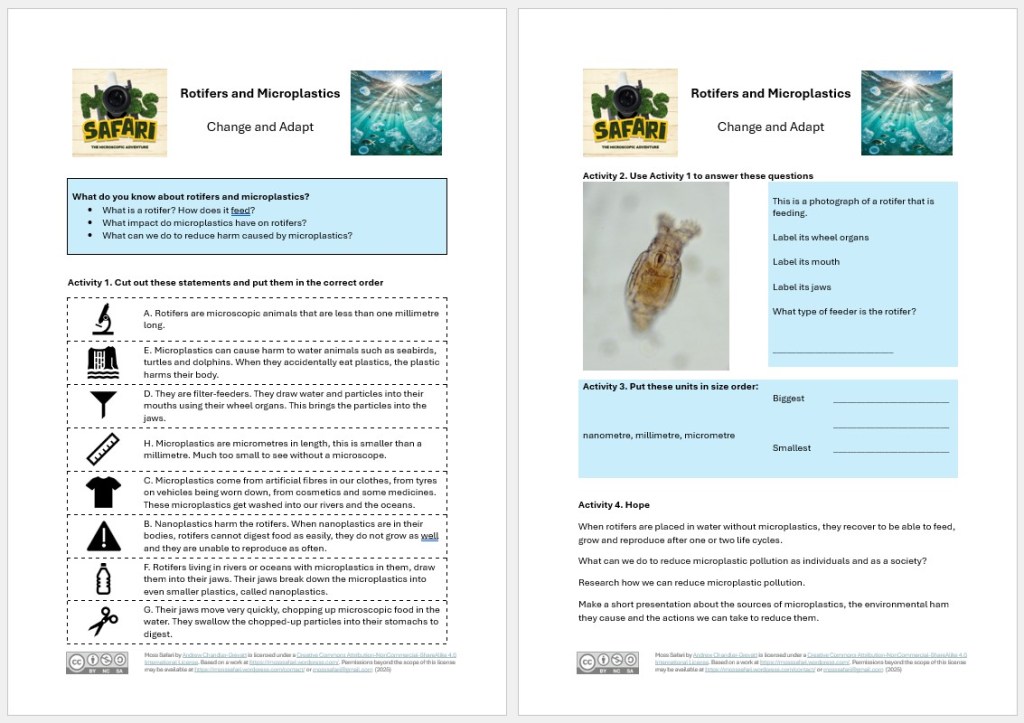
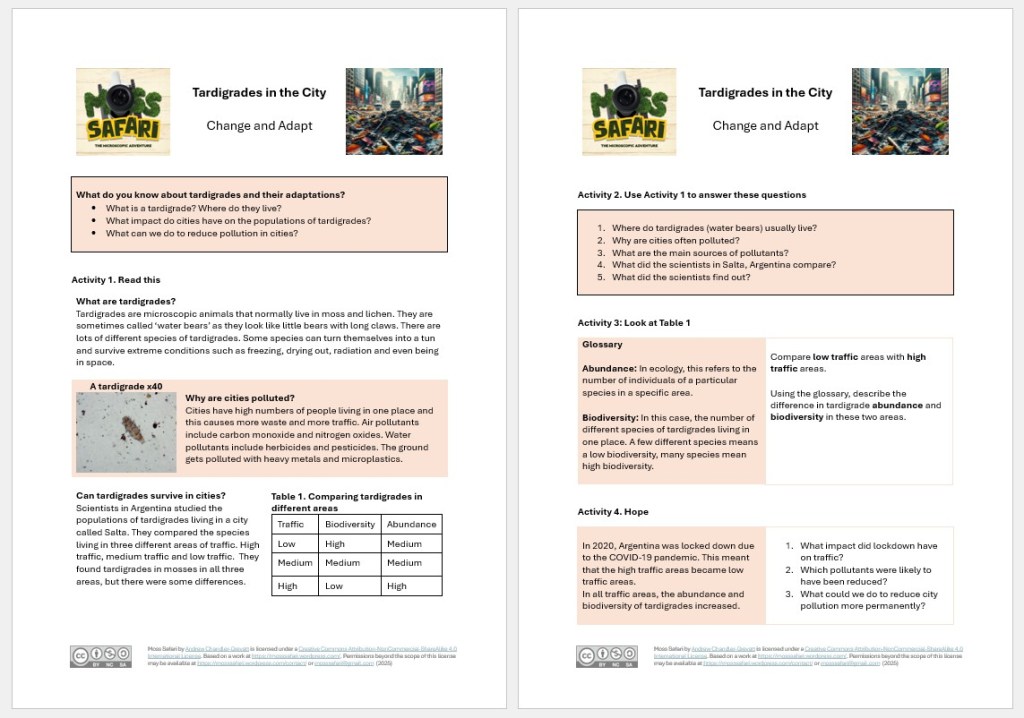
Change and Adapt: Moss Safari and climate change
Documents contain worksheets and teacher notes (the answers!).


 Moss Safari