Wednesday 22 February 2026
This blog captures the highlights of our first Moss Safari Monthly session.
The next session is Wednesday 25 March 2026, 7–8 PM GMT, focusing on “Watching What Happens”.
Sign up here.
Summary
“The real voyage of discovery consists not in seeking new landscapes, but in having new eyes.”
— Marcel Proust
In this Moss Safari, we focused on noticing – learning how to see what is living (and not living) in the mossy world.
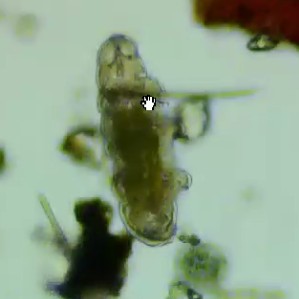
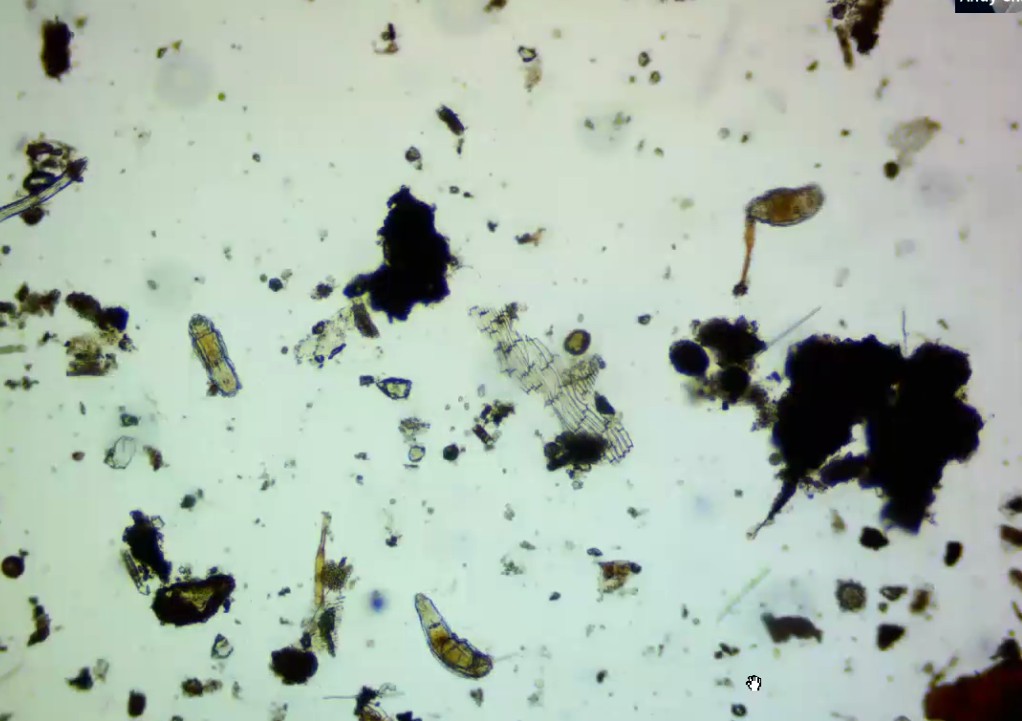
We explored this through a gentle, guided tour across the microscope slide, paying attention to shape, colour, and movement. Using the Moss Safari identification sheet, we were able to recognise multicellular organisms, including rotifers, nematodes, and tardigrades.
Along the way, we noticed:
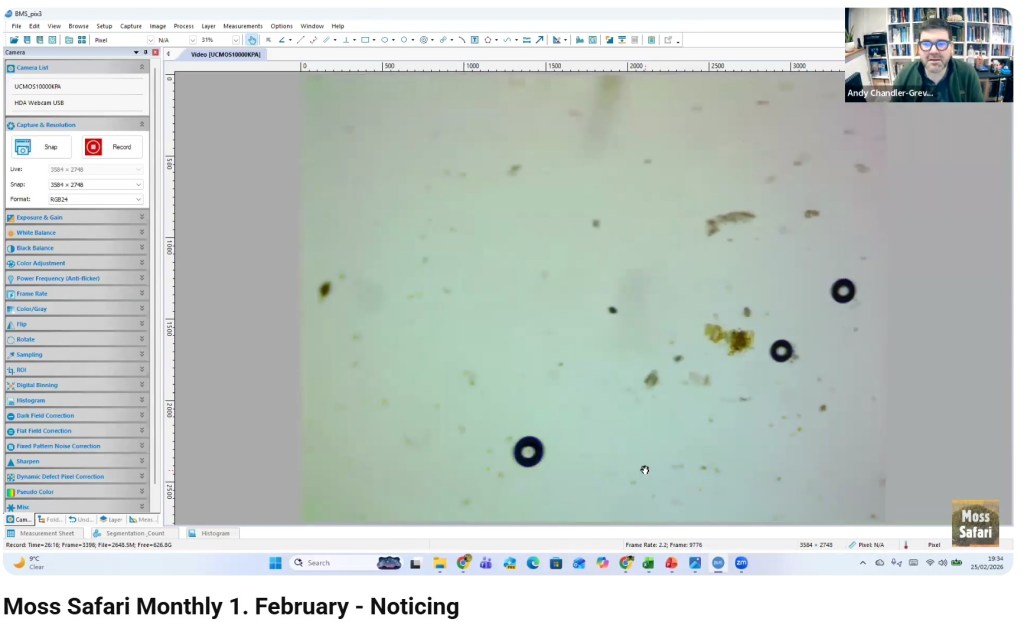
- Perfect circles that turned out to be air bubbles
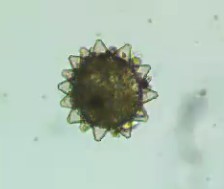
- Star-like structures that were tardigrade eggs
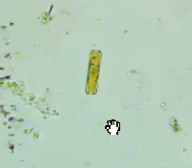
- Rectangular forms that were single-celled algae called diatoms
Introduction
To welcome everyone to the session, Andy set the tone:
“The moss we are exploring may look ordinary from a distance. Under the microscope, it becomes a busy, detailed landscape. Today, our job is not to understand everything. It is to learn to see what is there. If you wish, you can just watch, listen and learn. No pressure, just enjoy the experience. If you want guidance, you can use the supporting material.”
This framing is central to Moss Safari: before understanding comes noticing.
What we noticed
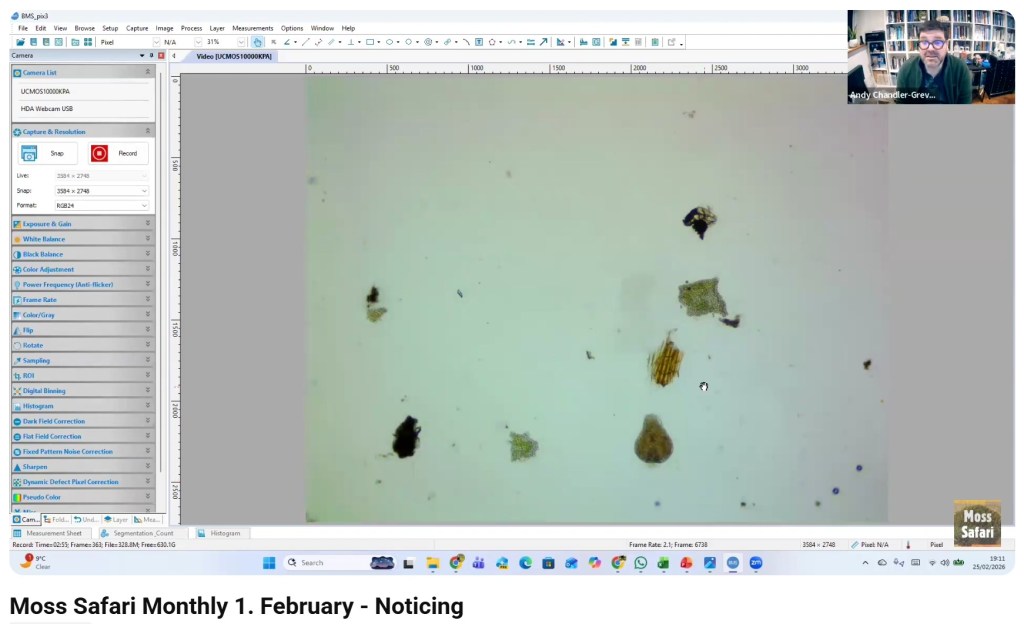
As we moved the slide beneath the microscope, a complex world came into view. Some things were alive, some were once alive, and some had never been alive at all.
We began to make sense of this world by noticing three key features:
- Shape
- Colour
- Movement
Learning to notice these features helps us make informed decisions about what we are seeing.
Shapes
Early in the session, we noticed a mixture of regular and irregular shapes. Participants described what they saw in simple, relatable ways:
- “That’s a big one!”
- “Look at the small circle at the bottom”
- “That large pear shape might be…”
These descriptions are the first step in scientific observation.
Regular shapes
Some shapes were particularly striking because they looked almost designed:
- Perfect circles
- Star-like structures
- Rectangular forms
Circles (air bubbles)
Dark circles are very common on microscope slides. These are usually air bubbles trapped between the slide and coverslip.
A great question arose: why do they look black?
The microscope only shows light that passes through the sample. Air bends and reflects light away from the lens, so very little light reaches your eye. As a result, the bubble appears dark or black – like a shadow.
Stars (tardigrade eggs)
One of the most exciting observations was a star-shaped structure, described as looking like a floating mine or even a tiny sea urchin.
From previous Moss Safari experience, this is likely a tardigrade egg.
Some tardigrades, especially those in the genus Macrobiotus, lay eggs covered in spiny projections, giving them a star-like appearance.
Rectangles (diatoms)
We also observed yellow-brown rectangular shapes. These are diatoms, a type of single-celled algae.
- They build intricate glass-like cell walls (made of silica)
- They carry out photosynthesis, producing sugars and oils
- They are found in both freshwater and marine environments
Diatoms come in a huge variety of shapes, but many have beautiful geometric forms.
Colours
The microscopic world contains a surprising range of colours, although these can be influenced by lighting and optics.
Noticing colour can provide useful clues:
- Green often indicates photosynthesis
- Moss leaves
- Algae
- Cyanobacteria
- Yellow or brown can indicate ageing or non-living material
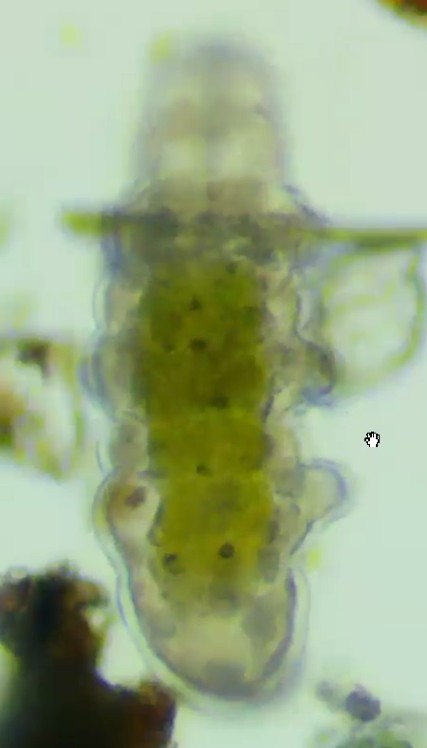
- Some tardigrades may appear green due to the algae in their gut
Rotifers’ colour can vary depending on what they have been feeding on, including pigmented algae.
Movement
Movement is often the most eye-catching feature.
We observed:
- Rotifers actively feeding and moving
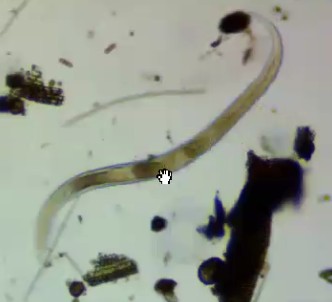
- A nematode thrashing through the water film
- A tardigrade walking slowly and deliberately
Movement also helped us notice indirect effects:
- As organisms moved, they caused surrounding debris to shift
- This made the whole slide feel like a busy, dynamic environment
We also saw many tiny organisms that were difficult to identify:
- Likely ciliates, single-celled organisms that dart and glide using tiny hair-like structures
Guided noticing
Moss Safari works as a form of guided noticing.
With supporting materials, participants are primed to recognise:
- Rotifers
- Nematodes
- Tardigrades
However, recognising them still requires practice.
At first glance, many organisms look similar – often just “sausage-shaped”.
It is only by paying attention to:
- Movement
- Detail
- Relative size
that we begin to distinguish them.
Take-home thought
Before we can understand a world, we must first notice it.
Follow-up activity
Next time you are outside, look out for moss.
That is where your next Moss Safari begins.
Join us next time
📅 Wednesday 25 March 2026
🕖 7–8 PM GMT
🎯 Theme: Watching What Happens
 Moss Safari