
This is the second blog in the Moss Safari “Discovering Mosses” project. It pairs with the infographics I am making as I research, learn, and put my mossy knowledge into practice.
Did you go on a search for mosses yesterday? Were you confident that they were mosses based on the characteristics? Let me know via social media or in the comments below.
Have you ever noticed we describe mosses using the same terms as we do soft furnishings? It is almost as if moss is nature’s upholstery. With moss cushions, moss mats, even curtains and carpets. They certainly soften the edges of rocks and trees, but also the walls, pavements and roads in our towns and cities. In fact, these growth forms help us identify the type of moss we are looking at.
The next step in moss identification, is recognising their growth forms. We can group mosses into distinct growth forms and this infographic helps us to recognise these growth patterns.
Moss Safari Discovering Mosses Infographic 2. How does moss grow?
How Does Moss Grow?
When you start noticing mosses, one of the first things you will see is how differently they grow. Some form neat, upright clumps like tiny forests, while others spread out in sprawling, feathery carpets. These two main growth forms, called acrocarpous and pleurocarpous, are the first clues in identifying what kind of moss you are looking at.
Acrocarpous mosses are the upright ones. Their shoots grow close together, reaching upward and often forming small cushions or tufts. These cushions can be tight and compact or open and branching, depending on the species. The spore capsules, which look like tiny brown stalks with capsules on top, grow from the very tips of these shoots. You will often see acrocarpous mosses colonising exposed surfaces such as pavements, walls, or rocks where moisture does not linger for long. Their compact growth helps them survive drying out and recover quickly after rain.
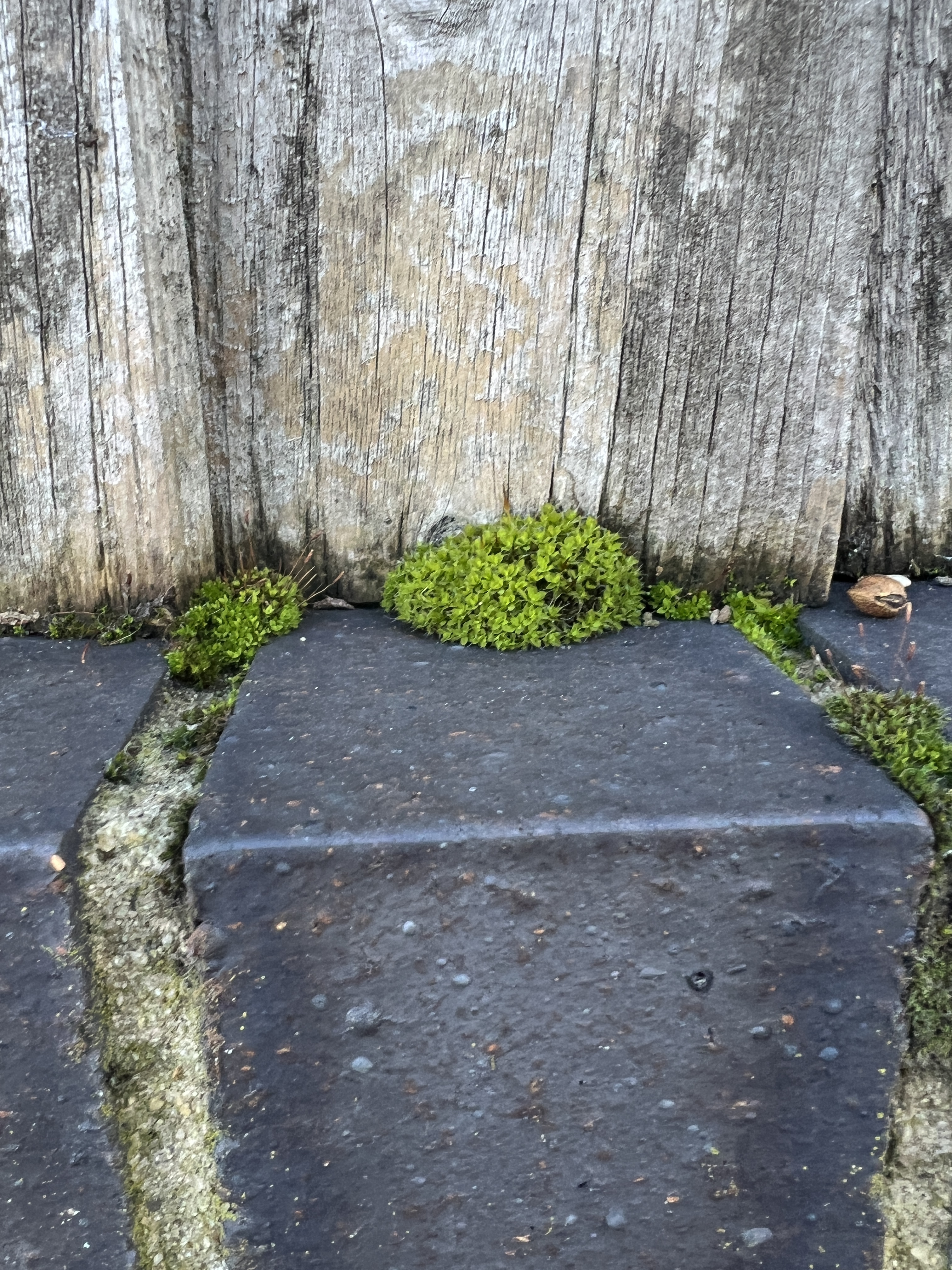
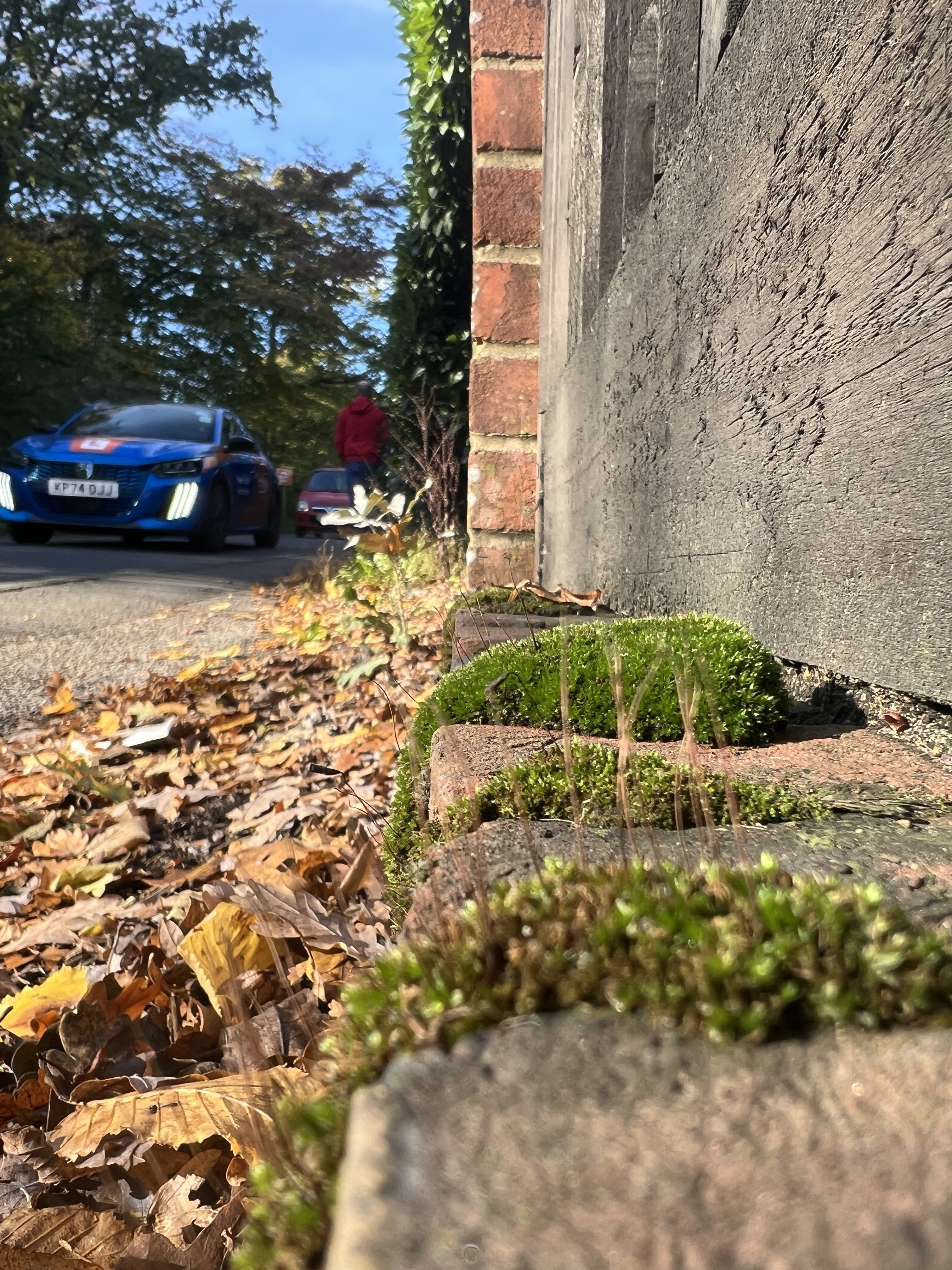
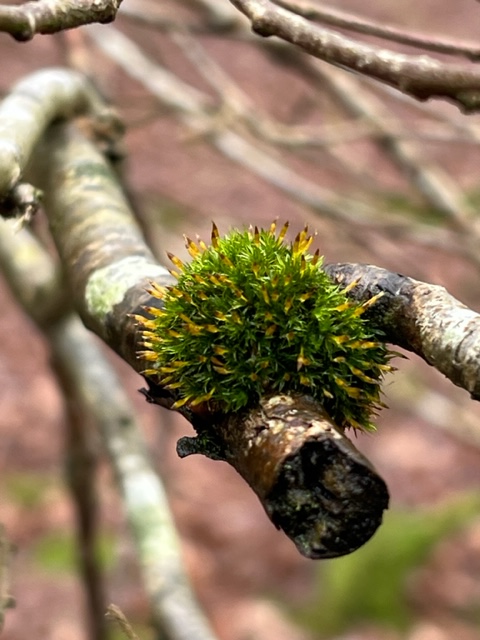
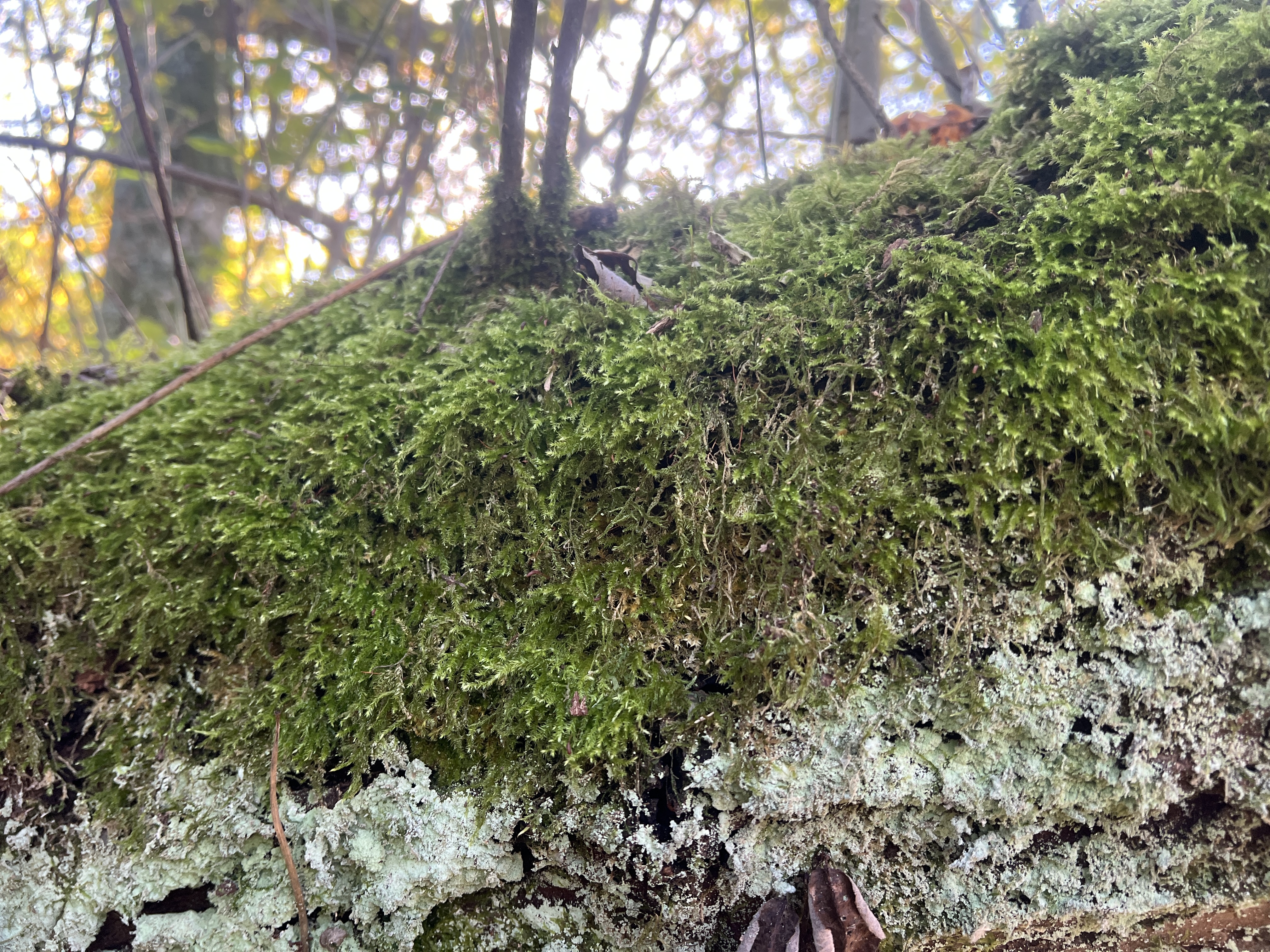
Pleurocarpous mosses take a more horizontal approach. They grow like miniature ferns with branched stems that creep and spread to form mats or carpets. These can be smooth and velvety, rough and tangled, or fine and thread-like. Their capsules appear along the side branches rather than at the shoot tips, which gives them a different look when reproducing. Pleurocarpous mosses thrive in shadier, damper spots such as tree trunks, old walls, and roof tiles where moisture can linger a little longer.
Next time you are out walking, take a closer look at the mosses around you. Can you spot whether they form cushions or mats? Try using a hand lens or a phone macro lens to see their growth form clearly. You might find that pavements, roofs, and walls host tough little acrocarpous colonies, while tree bark or shaded stone is home to pleurocarpous mats.
Mosses may be small, but their variety of growth forms is remarkable. They really are nature’s own soft furnishings, decorating the world in shades of green.
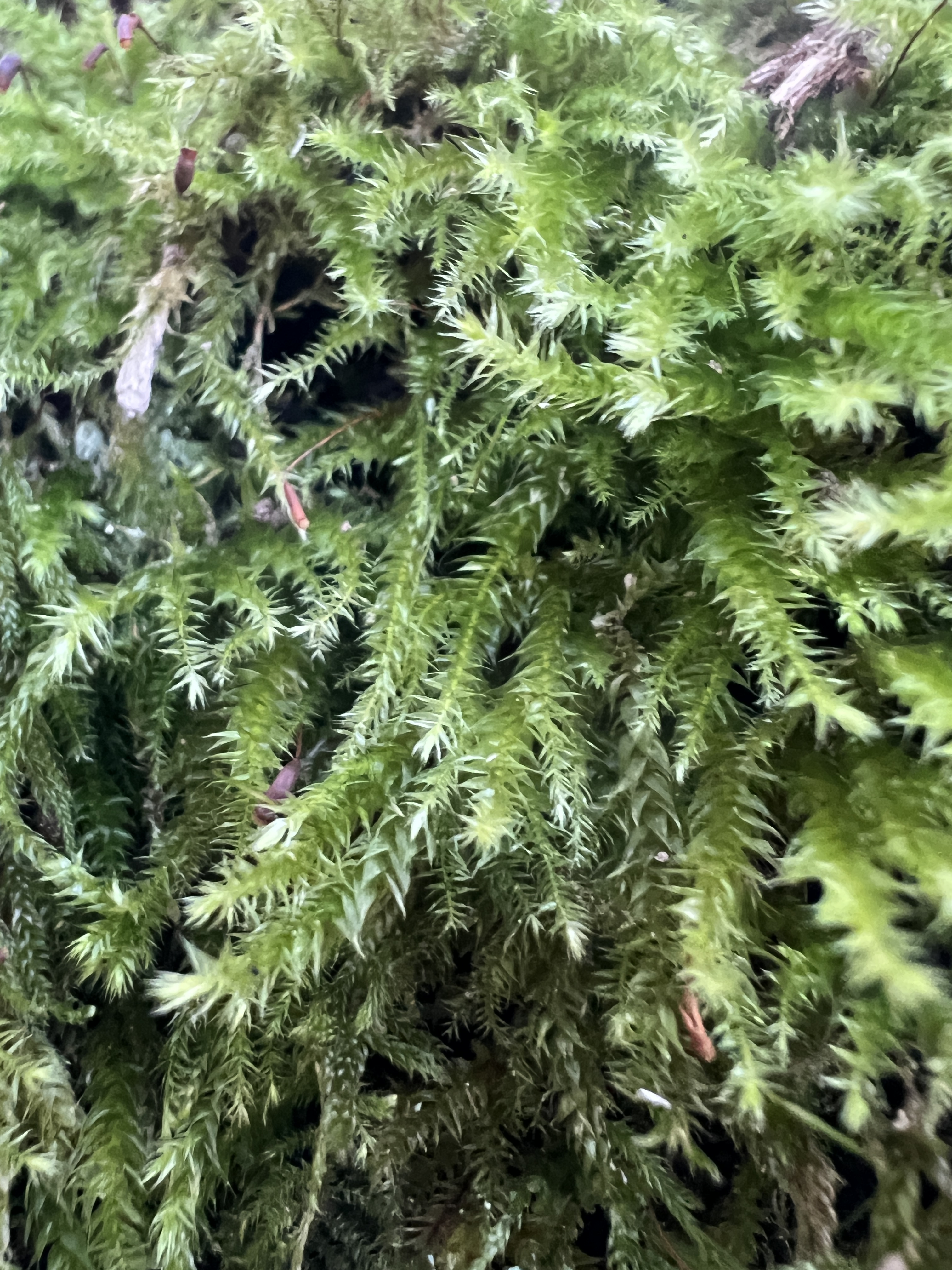
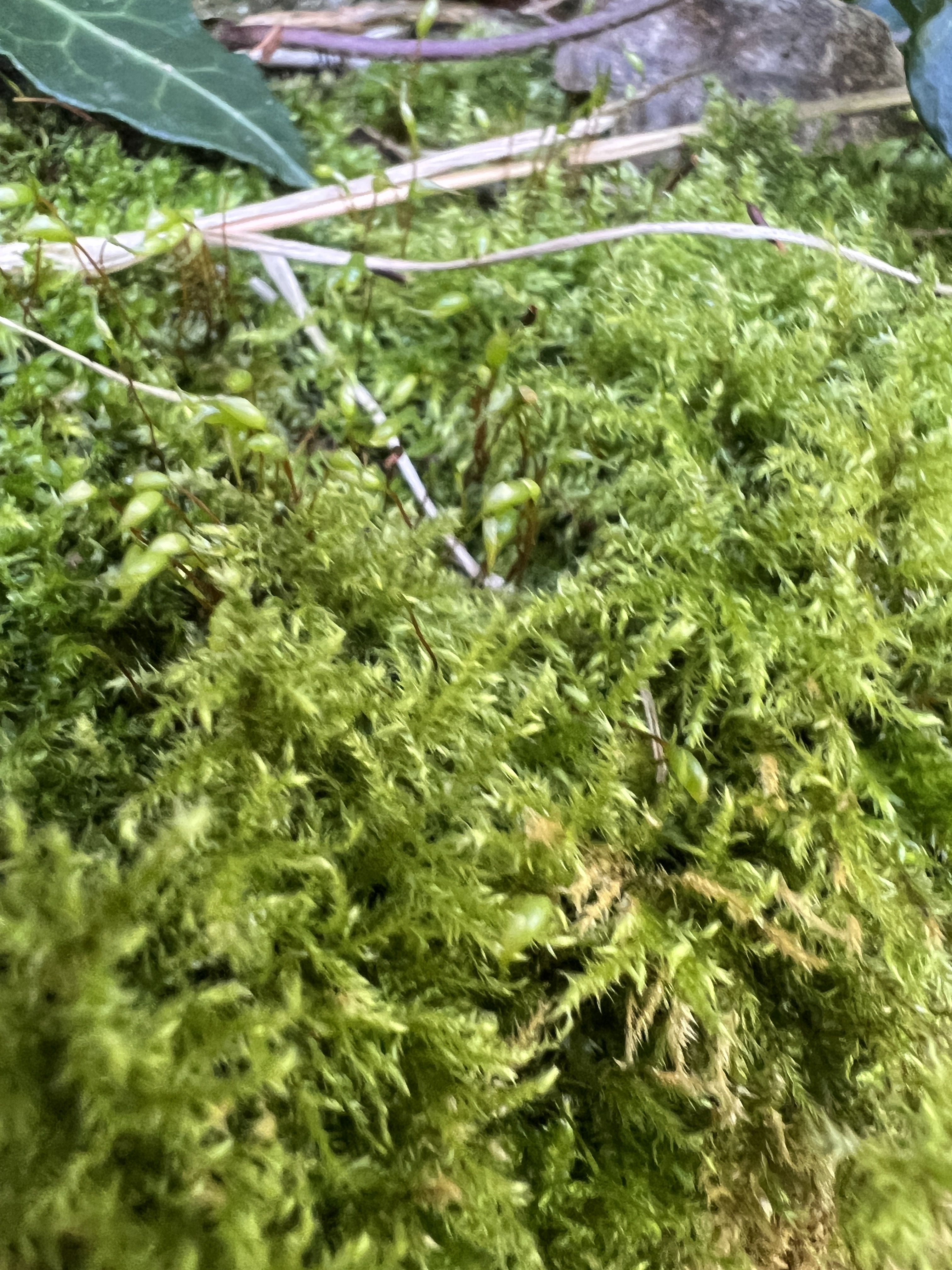
What next?
We have now taken the second step in moss identification. Step 1 was ‘Is this a moss?’, this is step 2 ‘How does it grow?’ That is, it it a cushion or a mat? The next infographic in this series takes a closer look at the anatomy.
How to use the infographic, a mini field activity
Use this as a family activity, classroom activity or even a solo adventure!
- Download the infographic to your phone.
- On a walk in the city, a park, a coastline, or a woodland, look for green patches and take close photos.
- Sort your finds into ‘cushion/acrocarpous’ or ‘mats/pleurocarpous’ (and even – not sure!).
- Revisit the “not sure” photos at home with a hand lens or a microscope.
- Share your favourites and tag me. I love seeing what you discover.
Join in and support
I post regular finds and updates on Bluesky, Facebook and Instagram. Come and say hello, and share your photos. I am learning as I go, and I will certainly make the odd mistake. Gentle corrections are very welcome.
All of the resources in this project are free to use. If you would like to support my educational work, you can leave a tip or pick up Moss Safari merchandise. Your support helps me keep creating and sharing more moss magic.
References and Resources
These are the sources that I used to research this infographic and blog.
Neil Bell (2025) The Hidden world of mosses. Royal Botanic Garden Edinburgh.*
Ian Atherton, Sam Bosanquet, Mark Lawley (Editors) (2010) Mosses and Liverworts of Britain and Ireland a field guide. British Bryological Society. Available from here.
Dominic Price and Clive Bealey (2022) A field guide to bryophytes. The Species Recovery Trust. Available from here.
Elizabeth Lawson (2024) Moss and Lichen. Reakton Books.*
*I use Amazon Associates to help fund Moss Safari Education Activities. Clicking and purchasing on these links may generate some small income at no cost to you.
Generative AI use Statement
As part of the Discovering Moss series, I use generative AI to review my clarity of communication both in design and in writing. Every post is reviewed and fact-checked by me, combining human curiosity with responsible AI assistance to share the wonder of mosses.
 Moss Safari