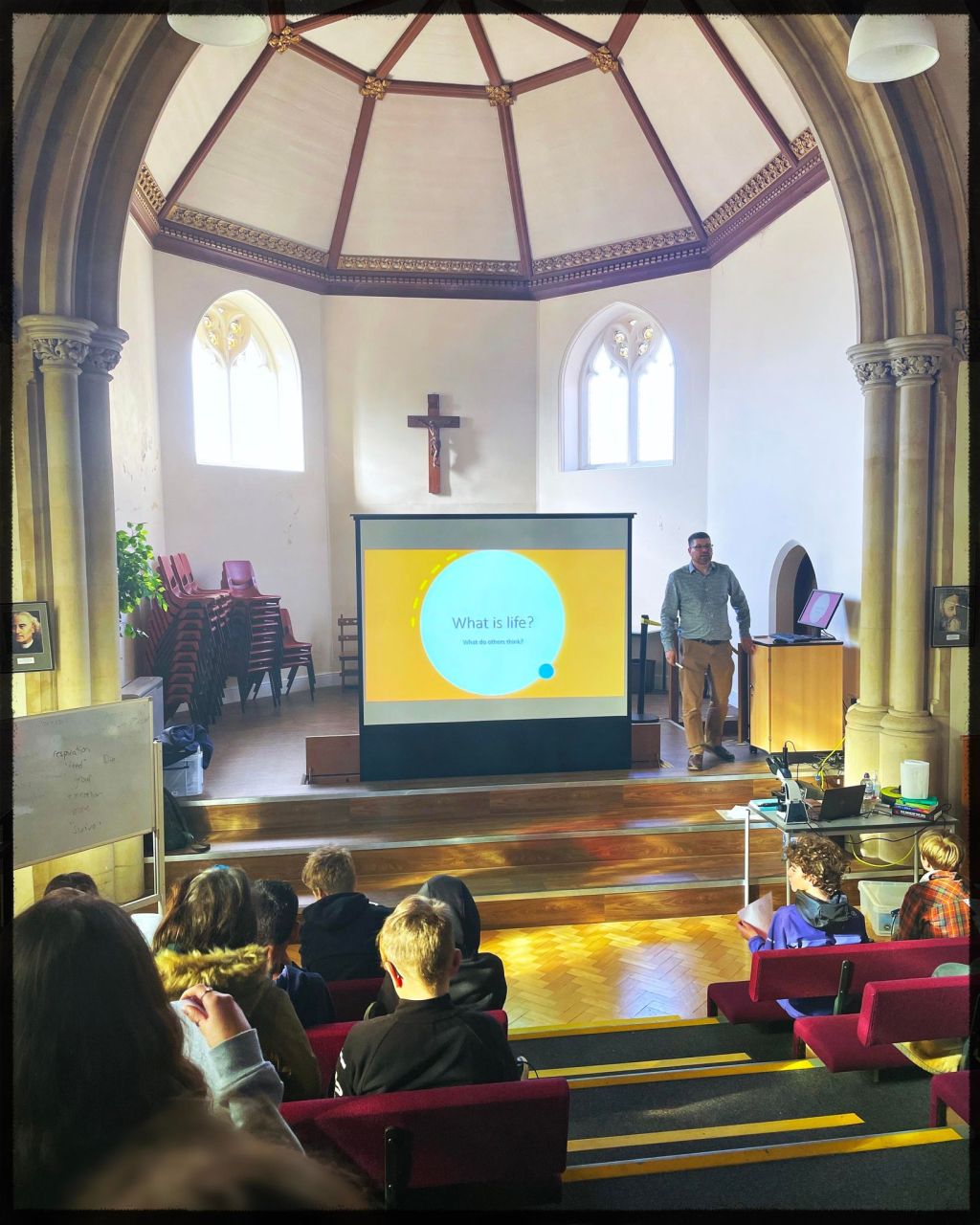
How can Moss Safari be used to discuss the one of the biggest of life’s questions? This blog reports on how I took Moss Safari to a small chapel in a local school and explored ‘What is life?’ with thirty children aged 8-14 years. I went with the aim of changing perceptions, changing minds and leaving with more questions than we started with.

The headteacher of Our Lady of Sion School in Worthing, Steven Jeffery, came up with an idea to challenge his students to think beyond the curriculum and ponder life’s mysteries. He has founded the Original Minds Circle, where students are invited to attend sessions led by leading thinkers and develop the students thinking on a range of subjects.
Mr Jeffery invited me to present for the first session. I chose the topic of ‘What is Life?’ using Moss Safari as a vehicle for discussing the ideas around this intriguing topic. Of the thirsty students there, ranging from Year 5 to Year 10, several were invited from local state schools.
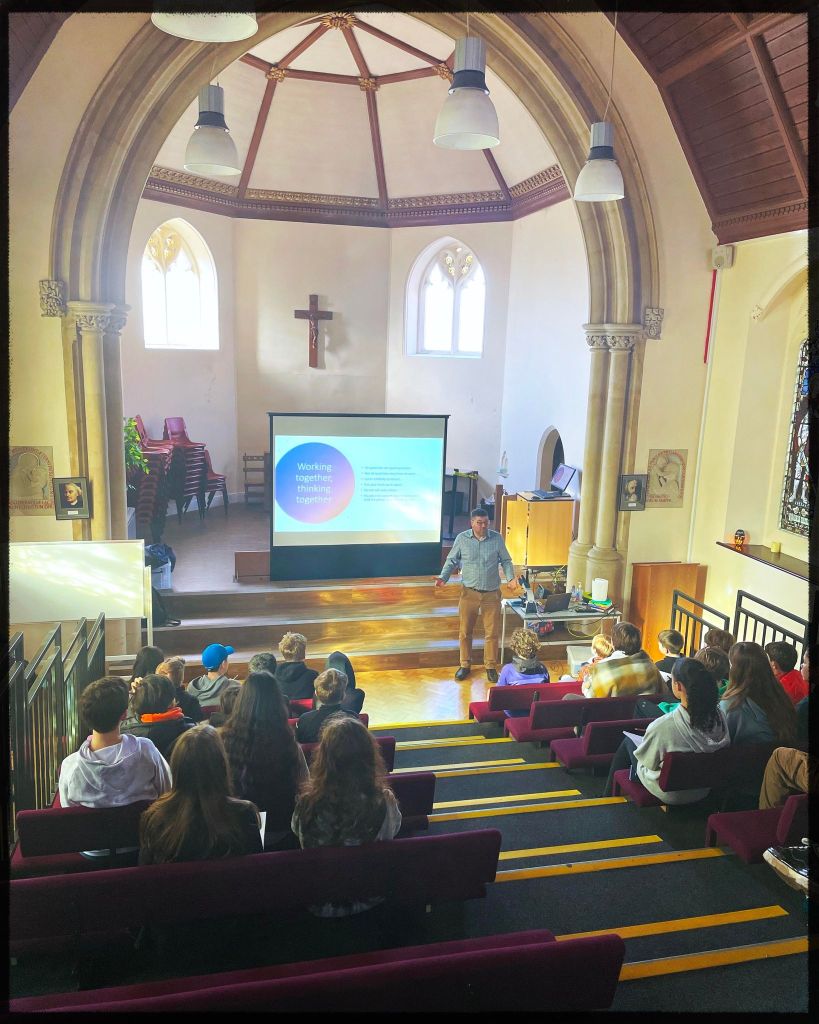
The session: thinking together
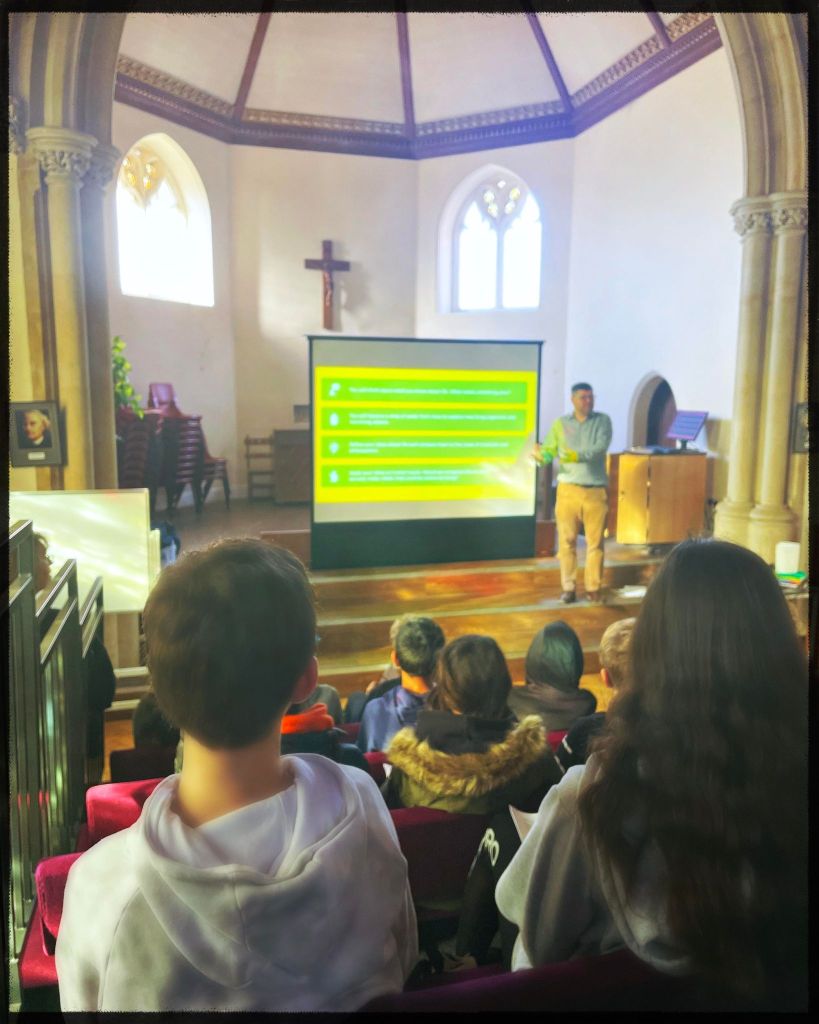
What better place to bring a microscope than a beautiful chapel of stained glass windows to discuss perspectives on what life is? Here is the session outline:
•You will think about what you know about life. What makes something alive?
•You will observe a drop of water from moss to explore new living organisms and non-living objects.
•Refine your ideas about life and compare them to the views of theologians, scientists and philosophers.
•Apply your ideas to human issues: Would we recognise life on other planets? Could we ever make robots that could be said to be living?
Moss Safari and typical life
There is a fantastic graphic of the biomass of life on earth. It can be used to show that typical life forms on Earth are not humans, or animals as often is perceived, but instead plants and single celled organisms (bacteria, archaea, fungi and protists).
We considered the creation stories from a variety of religions and considered why the creation of life was such a fundamental question. Are living things just organic machines? Rene Decartes suggested this in the 1600s. Is there a ‘life force’ that makes something alive, a ghost in the machine if you like? The latter is the philosophy of ‘vitalism.’ Vitalism has taken many forms, but is immortalised in Mary Shelley’s Frankenstein, the idea that a spark is needed to initiate life. We discussed the limitations of both these philosophies.
We then explored the scientific perspective, that life is a set of processes, cells are the unit of living things, they contain genetic material and have a common ancestor.
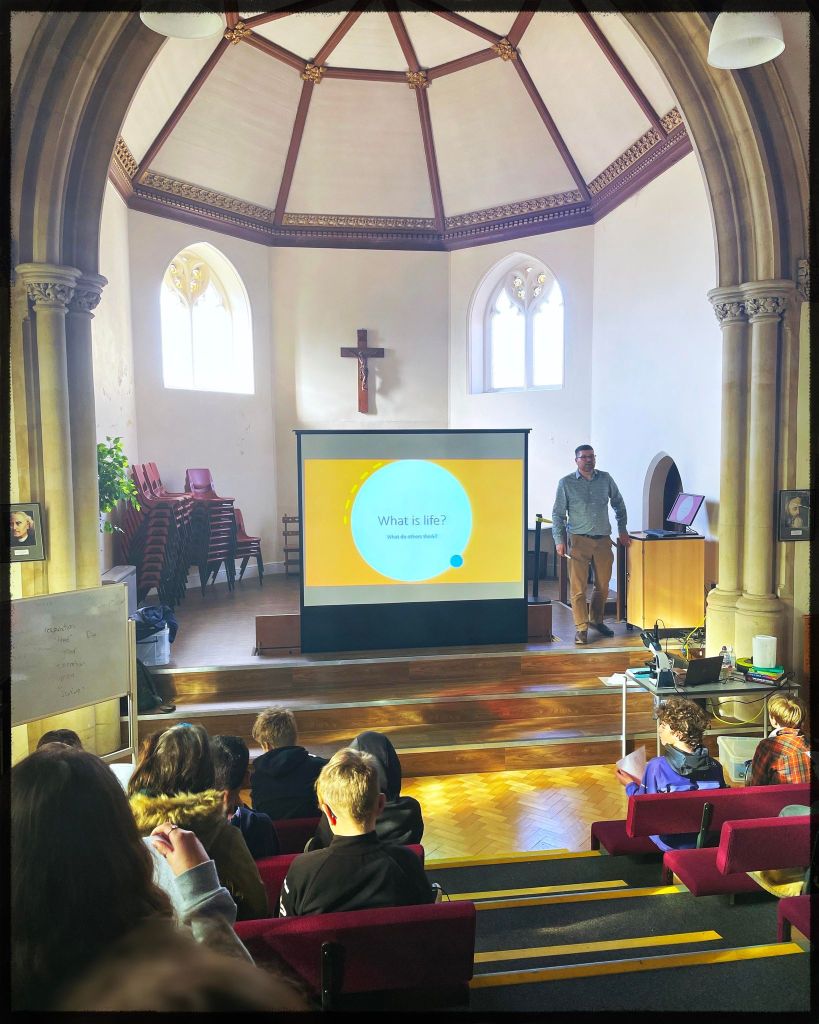
The Moss Safari was projected onto a large screen while I narrated and asked questions. This did become the highlight of the session. I had deliberately soaked the moss for a couple of weeks so that it would contain far more unicellular organisms – more ‘typical’ life forms, bacteria, protists and ciliated cells.
We were able to consider whether different objects were likely to be living or non-living (micro-stones or clumps of organic debris). We saw lots of unicellular organisms ‘whizzing’ through the field of view. We did stumble across a very active bdelloid rotifer and were able to think of more extreme survival strategies of these microscopic organisms, we know these can be frozen for at least 24,000 years and wake up again to reproduce. Finally, the cameras came out for a very active tardigrade. A few students knew of these, but no one had seen an active tardigrade – a first for everyone. And a whole lot of questions about survival in space.




Applying our ideas
The students then had time to watch a couple of short videos about either ‘How we could recognise life on other planets?’ or ‘Could we ever make robots that could be considered living?’ I introduced them to exploration of exoplanets and the development of xenobots (microscopic organic robots that reproduce). The students discussed these questions using what they had learnt from the first part of the session and the Moss Safari.
The questions that remain
The students came up with lots of questions that remain about the mysteries of life. These included:
- Do all living things need oxygen to survive? (Short answer, no).
- At what point does a collection of molecules become living? The idea of building a cell atom by atom, when does it just all ‘click’ together to become living?
- When was the first cell? Was it just one that divided to create life on Earth?
- What is consciousness?
- Why do living things die?
- Why does life exist?
Some of these would make great topics for future Original Mind Circle meetings I am sure.
Feedback
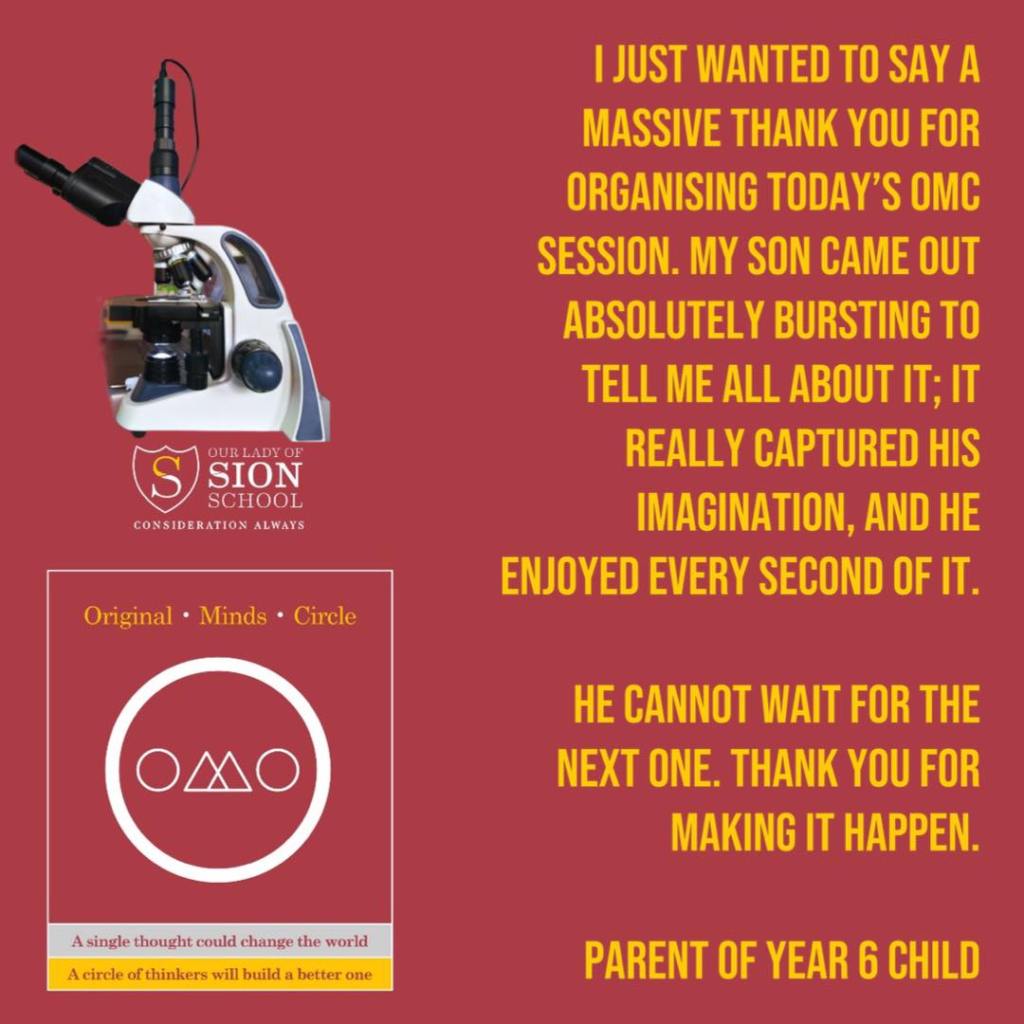
After the two hour session, the students had plenty to talk and think about. Many of them were strangers before the session, so this was a great opportunity to make friends and discuss their ideas. The adults who were present were clearly enthralled by the session and we very positive. Mr. Jeffery sent me some feedback that he received by email the same afternoon:
Final notes
If you would like a similar session at your school, please get in touch.
All photos taken by Steve Jeffery, used with permission.
Thank you to Mr. Jeffery for inviting me, his staff who supported the day, and the students who were so enthusiastic about this event.
 Moss Safari